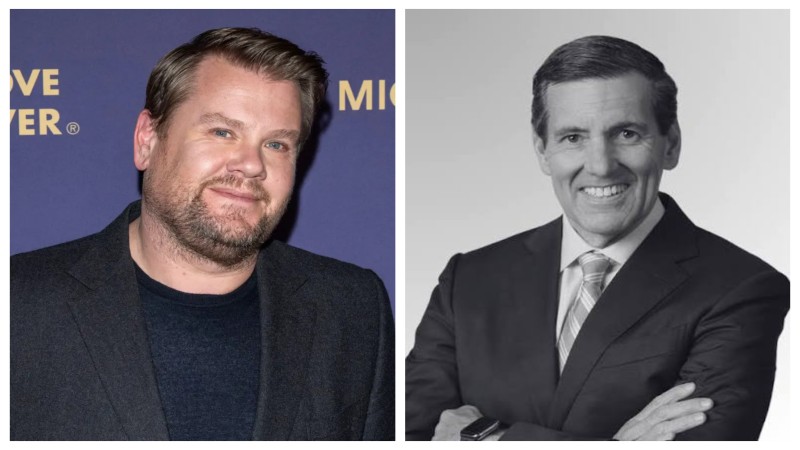
Business leaders often influence industries in different ways. Some focus on energy production, infrastructure, and natural resources, while others concentrate on healthcare, financial management, and technology. Understanding their professional journeys can reveal how experience, education, and strategic decision-making shape executive careers.
David Lawler and Bruce Broussard are two American business executives whose professional backgrounds reflect these different areas of corporate leadership. Lawler has developed his career in the energy sector, holding senior positions at major oil and gas organizations. Broussard established his reputation through healthcare management and later moved into technology leadership.
Although their careers have some broad similarities, their professional histories are distinct. Lawler’s experience centers on petroleum engineering, natural gas, and energy strategy. Broussard’s background emphasizes finance, healthcare operations, organizational management, and business transformation.
Examining their biographies provides a useful perspective on executive leadership, career development, and the different challenges faced by large organizations. It also helps clarify what is publicly known about their professional connection.
Who Is David Lawler?
David C. Lawler is an American energy executive with extensive experience in petroleum engineering, oil and gas operations, and corporate management. His career includes leadership positions at Shell, PostRock Energy, SandRidge Energy, and BP. He subsequently took on leadership responsibilities connected with Kimmeridge Texas Gas and Commonwealth LNG before becoming chief executive officer of Caturus.
Lawler’s career combines technical knowledge with executive decision-making. This combination is valuable in the energy sector, where leaders must understand production operations, infrastructure investment, commercial strategy, and changing market conditions.
Education and Early Professional Development
Lawler earned a Bachelor of Science degree in petroleum engineering from the Colorado School of Mines. He later completed a Master of Business Administration at Tulane University.
Petroleum engineering provides the technical foundation for understanding how oil and natural gas resources are discovered, developed, and produced. Business education, meanwhile, helps prepare professionals for responsibilities involving finance, organizational strategy, and investment decisions.
These qualifications align with the two major dimensions of Lawler’s career: technical operations and corporate leadership.
His early professional experience included engineering work with Conoco and Burlington Resources. He also spent approximately a decade in roles associated with Shell’s U.S. Gulf Coast business. These positions helped build his experience in energy operations before he moved into more senior management roles.
Career Growth in the Energy Industry
Lawler later held executive positions at PostRock Energy Corporation and SandRidge Energy. His responsibilities expanded beyond technical work to include company management and operational oversight.
In 2014, he became chief executive officer of bpx energy, BP’s U.S. onshore business. In July 2020, he also became chairman and president of BP America, representing the company’s U.S. businesses at a senior level. He held these BP America responsibilities through 2023.
During his time at BP, Lawler was involved in significant business decisions, including the company’s acquisition of BHP’s onshore assets in the United States. Such transactions require careful consideration of production potential, operating costs, environmental responsibilities, and long-term investment value.
His career demonstrates how an engineer can progress into executive management by combining technical expertise with commercial judgment and leadership experience.
Leadership at Caturus
Lawler is the chief executive officer of Caturus, an integrated natural gas and liquefied natural gas business. LNG is natural gas that has been cooled into liquid form so that it can be transported and stored more efficiently over long distances.
The company’s business connects natural gas production with infrastructure and international energy markets. Its activities involve challenges such as resource development, project financing, construction planning, regulatory requirements, and customer demand.
Lawler’s experience across energy production and corporate strategy is relevant to this work. Developing large energy projects requires coordination among engineers, investors, construction teams, regulators, suppliers, and commercial partners.
His current leadership role continues a career built around energy resources, operational performance, and long-term infrastructure development.
Who Is Bruce Broussard?
Bruce Broussard is an American business executive known for his leadership in healthcare, corporate finance, and organizational management. He spent more than a decade as president and chief executive officer of Humana, a major U.S. healthcare company. In February 2026, he became interim chief executive officer of HP Inc., expanding his executive experience into the technology industry.
His career illustrates how financial expertise and experience managing complex organizations can transfer between industries. Although healthcare and technology operate under different business models, both require effective financial planning, operational coordination, investment decisions, and long-term strategic thinking.
Education and Professional Foundations
Broussard earned a Bachelor of Business Administration in accounting and finance from Texas A&M University. He subsequently completed an MBA in finance at the University of Houston.
His education provided a foundation for understanding financial reporting, business performance, resource allocation, and corporate strategy. These skills are particularly important in industries where organizations must balance operating expenses, regulatory requirements, customer expectations, and investment priorities.
Accounting and finance professionals often begin by analyzing financial information and helping organizations make informed decisions. With additional experience, some progress into broader management positions that involve responsibility for employees, operations, and business performance.
Broussard’s professional journey reflects this progression from finance-related expertise to senior executive leadership.
Career Development at US Oncology and McKesson
Before joining Humana, Broussard held several senior positions during an approximately 11-year period at US Oncology. His responsibilities included chief financial officer, chief executive officer, and chairman of the board. Following the company’s sale to McKesson, he became president of McKesson’s specialty pharmacy division.
These roles exposed him to different aspects of healthcare administration and business management.
His responsibilities across these positions involved distinct organizational priorities:
-
Financial management: Understanding costs, financial performance, and the allocation of resources.
-
Operational leadership: Coordinating teams and processes to support organizational objectives.
-
Corporate strategy: Evaluating business opportunities and planning for future development.
-
Healthcare administration: Working within an industry shaped by patient needs, insurers, healthcare providers, and regulatory requirements.
Moving between these responsibilities can help an executive understand how financial decisions affect everyday operations. It can also provide experience in balancing commercial goals with the demands of a highly regulated industry.
Leadership at Humana
Broussard joined Humana in 2011 and became its president and chief executive officer in 2013. He led the company for more than a decade before stepping down in 2024. Jim Rechtin succeeded him as president and CEO on July 1, 2024.
Humana operates in the U.S. healthcare market, providing health insurance and related healthcare services. Its business requires coordination among members, healthcare professionals, insurance administrators, and other organizations.
During Broussard’s tenure, healthcare delivery and technology became important areas of organizational development. Digital tools and data analysis can help healthcare organizations coordinate services, manage administrative processes, and understand patterns in patient care.
However, healthcare leadership involves more than adopting technology. Executives must also consider affordability, quality of care, regulatory compliance, customer experience, and the needs of different populations.
Broussard’s long tenure at Humana made healthcare management the most prominent part of his public executive career.
Appointment as Interim CEO of HP Inc.
On February 3, 2026, HP Inc. announced Broussard’s appointment as interim chief executive officer following Enrique Lores’s departure from the role. HP stated that Broussard would lead the company while its board conducted a search for a permanent CEO.
The appointment represented a significant shift from healthcare into technology leadership.
HP operates in a market that includes personal computers, printers, related services, and technology solutions. Its executive team must respond to changing customer needs, product development cycles, competition, supply chain pressures, and evolving workplace technology.
Broussard’s experience in financial management, organizational transformation, and corporate governance offers relevant skills for managing these challenges. Nevertheless, the responsibilities of an interim CEO differ from those of a permanent appointment because the company may be operating under a transition plan while evaluating its long-term leadership.
HP’s official announcement and governance information are the appropriate sources for confirming his position and any subsequent leadership changes.
Comparing Their Professional Backgrounds
The careers of David Lawler and Bruce Broussard demonstrate two different routes to senior executive leadership.
Lawler’s professional background is rooted in engineering and the energy industry. Broussard’s career developed through finance, healthcare management, and corporate leadership before his appointment at HP.
| Career area | David Lawler | Bruce Broussard |
|---|---|---|
| Primary expertise | Energy and petroleum operations | Finance and healthcare management |
| Educational background | Petroleum engineering and an MBA | Accounting, finance, and an MBA |
| Notable leadership experience | BP America and bpx energy | US Oncology and Humana |
| Leadership role in 2026 | CEO of Caturus | Interim CEO of HP Inc. |
| Industry focus | Natural gas, energy production, and LNG | Healthcare, corporate management, and technology |
The comparison highlights how different forms of expertise can prepare executives for complex responsibilities. Energy leaders must evaluate physical assets, resource development, infrastructure, and market demand. Healthcare and technology leaders must consider customer requirements, financial performance, innovation, regulation, and organizational change.
Both career paths also show that executive leadership involves responsibilities beyond a person’s original technical or professional specialization.
Shared Lessons About Executive Leadership
Despite their different industries, several broader lessons can be drawn from their professional histories.
1. Education provides a foundation, not a complete career plan.
Specialized education helps professionals develop essential knowledge. However, senior leadership typically also requires practical experience, sound judgment, communication skills, and an understanding of organizational priorities.
2. Experience can open doors to new responsibilities.
Both executives held multiple positions before taking on major leadership roles. These experiences helped them build familiarity with different business functions and management challenges.
3. Strategic decisions require an understanding of operations.
A business strategy must account for the organization’s actual capabilities, financial resources, workforce, and operating environment. Decisions that ignore these factors can be difficult to implement successfully.
4. Leadership changes with industry conditions.
Energy companies face resource, infrastructure, and market challenges. Healthcare organizations must address service delivery, affordability, and regulation. Technology companies operate amid changing products, customer expectations, and competition.
Effective executives must understand the environment in which their organizations operate rather than relying on a single management approach.
Are They Professionally Connected?
A natural question for readers researching these executives is whether they share a family relationship, business partnership, or professional history.
Publicly available corporate biographies and leadership announcements describe separate career paths. Lawler’s documented work has primarily involved energy companies, while Broussard’s has centered on healthcare and corporate management, followed by technology leadership. The available sources do not establish a direct family relationship or formal business partnership between them.
This distinction matters when researching business figures. Two executives may appear together in online searches without having a documented personal or professional connection.
A reliable biography should therefore distinguish confirmed facts from assumptions. If future company announcements or credible records establish a connection, that information can be added with appropriate evidence. Until then, it is more accurate to discuss their careers separately and compare their leadership experience without suggesting an unverified relationship.
Conclusion
David Lawler and Bruce Broussard represent different approaches to building a career in executive leadership. Lawler developed his expertise through petroleum engineering, oil and gas operations, and senior positions at major energy organizations. His leadership at Caturus continues his involvement in natural gas and energy infrastructure.
Broussard built his career through accounting, finance, healthcare administration, and corporate management. His leadership at Humana established his reputation in healthcare, while his 2026 appointment as interim CEO of HP marked a move into technology leadership.
Their professional histories demonstrate the importance of combining specialized knowledge with practical experience, strategic planning, and organizational management. They also show that executive skills can sometimes transfer between industries, although every sector presents its own challenges.
The most useful way to understand these two executives is to examine their documented achievements, educational backgrounds, and responsibilities rather than assume that their names indicate a direct connection. Their careers offer separate examples of how professionals can progress from specialized expertise into senior corporate leadership. See more
5. Frequently Asked Questions
1. Who is David Lawler?
David Lawler is an American energy executive and CEO of Caturus. He previously held senior positions at BP, including chairman and president of BP America and CEO of bpx energy.
2. Who is Bruce Broussard?
Bruce Broussard is an American business executive who served as president and CEO of Humana for more than a decade. In February 2026, he was appointed interim CEO of HP Inc.
3. Are David Lawler and Bruce Broussard related?
No verified public information establishes a family relationship between the two executives. Their documented professional histories are concentrated in different industries.
4. What is the main difference between their careers?
Lawler specializes in energy production, petroleum engineering, and natural gas infrastructure. Broussard’s career has focused on finance, healthcare management, and corporate leadership, followed by technology.
5. What can readers learn from their leadership journeys?
Their careers illustrate how education, practical experience, financial understanding, and industry knowledge can support progression into senior management. They also demonstrate why effective leadership must adapt to the needs of each organization and sector.